
Morse pays out crypto balances with no FX markup, but it is virtual-only and quiet on fees
 Available in US
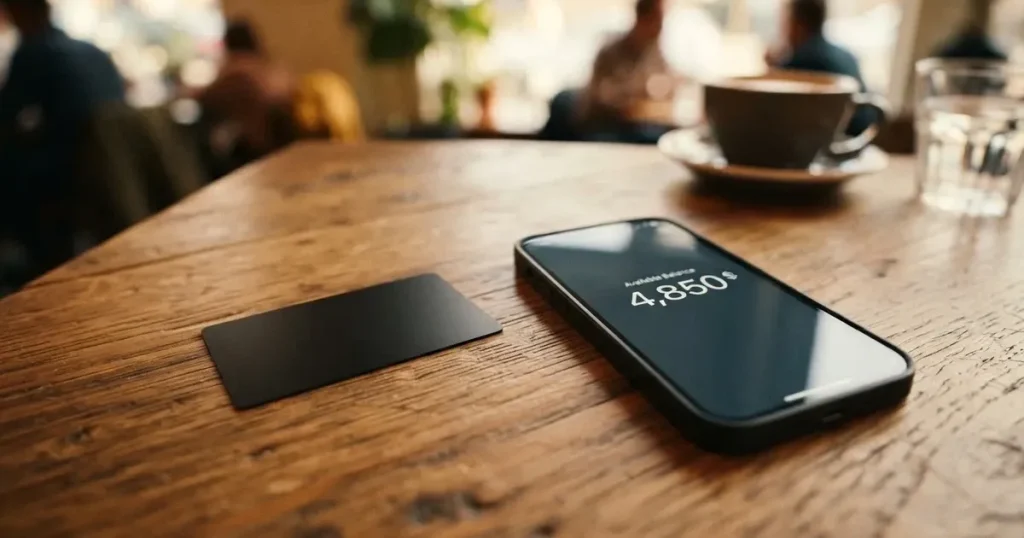
Morse is a virtual Visa debit card that spends from a stablecoin balance instead of a bank account. On paper it solves one specific problem very cleanly — holding US dollars or euros in crypto and spending them abroad without being charged a foreign-exchange mark-up. It scores 7.5 out of 10 in my assessment, and the reason it does not score higher is not the crypto side, which is well built, but the payment side: no physical card, no ATM, and an issuing fee that the company’s own pages decline to name.
That combination makes this a card for a specific person: someone already holding stablecoins, in a supported country, who is tired of exchange-rate mark-ups eating the value of every purchase abroad. If that is not you — if you want a card that works everywhere including cash machines, or you want to know exactly what you are charged each month before you commit — then this is the wrong card, and I would rather say so up front than bury it in a fees section.
The conditions described on this page are current as of October 28, 2026.
Verdict: 7.5 out of 10, and it suits one kind of holder precisely
Morse does one thing better than the alternatives I looked at: it converts between your crypto balance and spending currency at the real exchange rate, and it says so plainly. “Zero foreign exchange fees or markups,” with the real-time Visa exchange rate applied. Paying with the card, online or contactless, is free. For someone spending a stablecoin balance across multiple countries, that is the whole product, and it works.
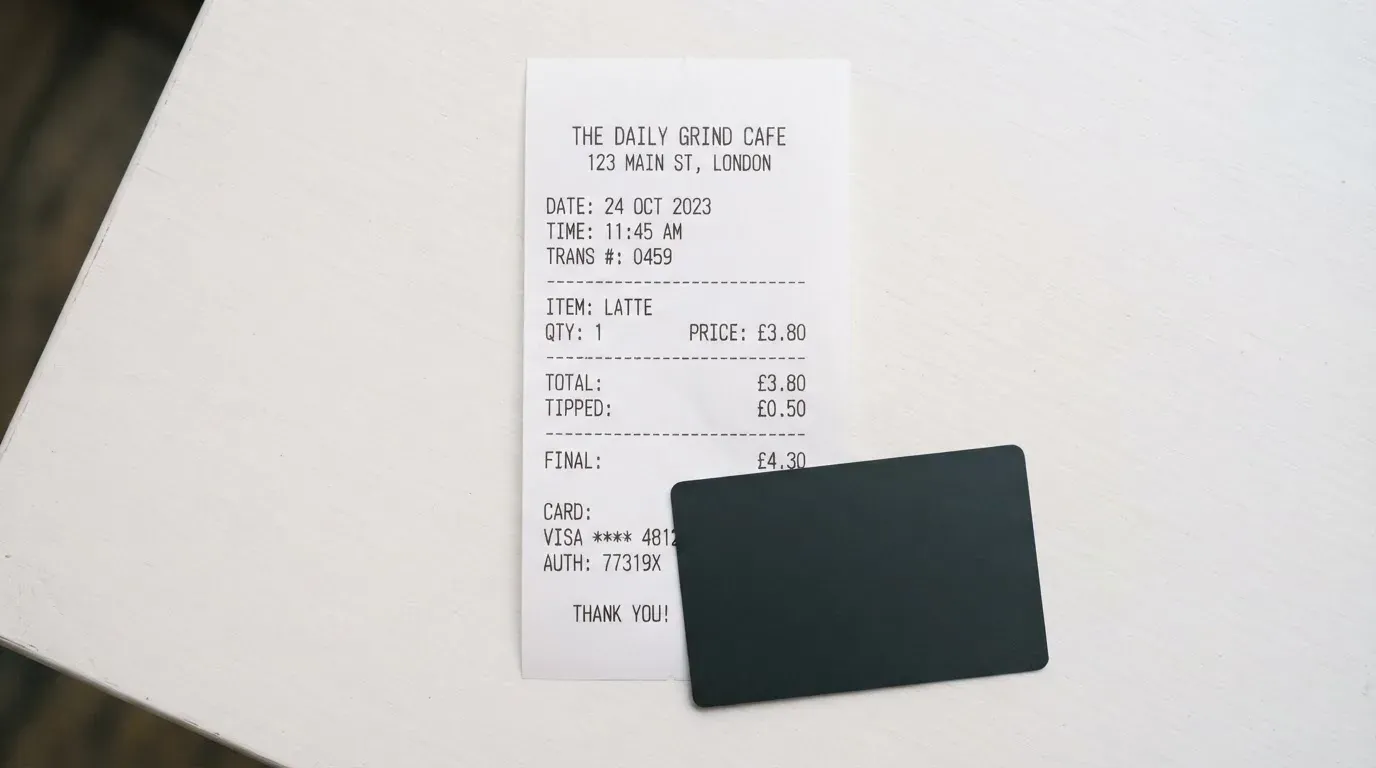
What drags the score down is everything around that core. There is no physical card. There is no ATM. The issuing and monthly fees are not disclosed on the public pages — the card page says only that “Fees may apply. See Cardholder Agreement,” which means you have to open a legal document to learn what you pay before you can spend. And the card is available “only in certain countries,” with no list published on the card page itself.
Let me lay out the criteria I scored, because a single number tells you nothing about what you’re buying.
| Criterion | Mark | Why |
|---|---|---|
| Who can get it | 7 / 10 | App in over 140 countries, local add/withdraw in over 70; the card itself only in certain countries, list inside the app; sanctioned countries closed |
| Cost | 8 / 10 | Issuance and servicing not disclosed (“Fees may apply”); conversion with no mark-up, card payments free, zero currency fee |
| Top-up options | 8 / 10 | USDC, USDG and EURC deposits via Solana are free; Bitcoin, USDT, Ethereum and other tokens accepted; self-custodial wallet |
| Reliability and complaints | 8 / 10 | Issuer Lead Bank, platform Avian Labs (US MSB), AFM under MiCAR in the Netherlands; no official incidents found, no reviews found |
| Everyday use | 6 / 10 | Apple Pay and Google Pay supported; card is virtual only; no ATM withdrawals |
| Total | 7.5 / 10 | A good stablecoin spending card with thin payment-card coverage |
The everyday-use mark is the honest one, and it is where you should look first if you are comparing this to an ordinary bank card. Virtual-only means no cash, and no ATM means no workaround. If your week includes anything physical — a market stall, a tip in cash, a place with a terminal that wants to swipe a plastic card — this card does not serve you, and no feature on the app changes that.
Who they will give you the card to
Eligibility is by residence, not citizenship. You must be “at least 18 years old” and “a resident in a supported country.” The app itself is available in “over 140 countries” for peer-to-peer use, and local add-and-withdraw works in more than 70. Those two numbers are about the app and the wallet, not about the card.
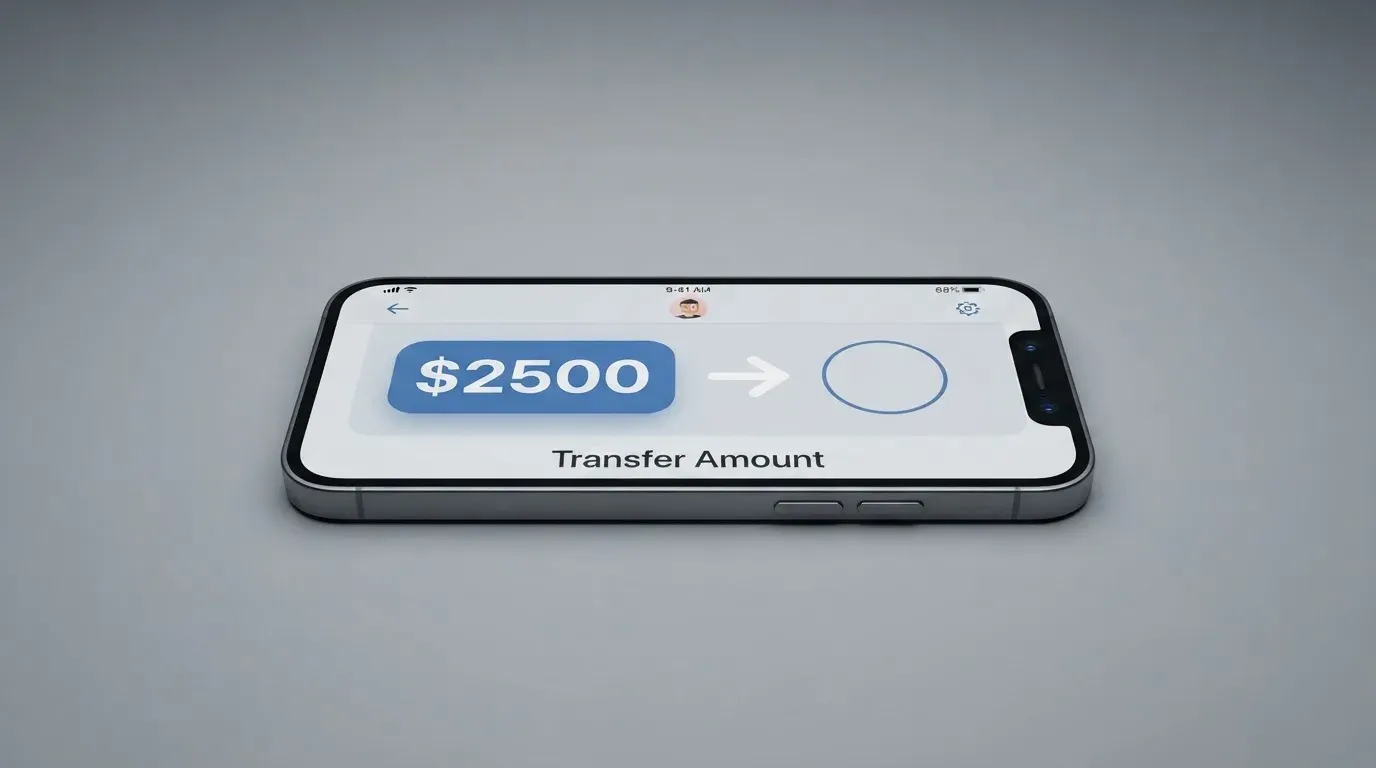
The card is “available only in certain countries,” and the card page does not publish which ones — you have to check inside the app. That is an unusually unhelpful arrangement for someone trying to decide, so do it before you upload any identity documents: install the app and look, because a closed country means the verification you would otherwise complete was wasted effort.
Some countries are closed-beta and require an invite code: American Samoa, Australia, Cape Verde, Guernsey, Hong Kong SAR China, Isle of Man, Japan, Jersey, New Zealand, Serbia, Singapore, Switzerland, Thailand, Türkiye, United Kingdom, Western Sahara. If you live in one of those, the app may accept you without the card.
Morse also states that it “cannot serve customers subject to sanctions issued by the United States,” and the same restriction is applied by the United Kingdom, the EU and the UN. I want to be careful here about what that means for you in practice: sanctions screening is applied to nationality and country of birth as well as to your address, independently of where you live. I am not going to explain how to work around that, and if you are in a position where the question arises, the only correct step is to ask the company directly and take its answer as final.
How to get it
The process is short and standard: install the app, verify your identity, fund your Morse balance, then add the virtual card. There is no separate card application waiting behind a queue, because there is no card to ship.
Identity verification may require your name, phone number, date of birth, residential address, “a selfie” and “a picture of a photo ID card.” The card says requirements vary by country. Proof of address is not stated as a separate requirement. There is one identity check, not a tiered system, and no published tier structure — a single set of rules applies to everyone. The card does note that it “may review larger deposits for compliance,” which is worth understanding before you try to move a large sum in one go.
The card itself: “Morse Card is fully virtual for now.” It is a Visa prepaid debit, and it spends from the Morse Balance “in any currency.” There is no physical version, so no delivery question arises at all — and no waiting, which is the one genuine convenience in that design.
One thing to flag before you start: verification means handing a regulated company your identity documents, and the platform running it is registered as a US money services business. That is normal and it is not a red flag on its own, but it is a real transfer of personal information, and the privacy trade-off is worth making consciously rather than by reflex.
What it really costs
The part everyone wants to skip. I’ll do it first and then look at three ordinary payments, because the answer is unusually good in some rows and unusually blank in one.
| Item | What Morse states |
|---|---|
| Card issuance | Not stated — card page says “Fees may apply. See Cardholder Agreement” |
| Monthly or servicing fee | Not stated — same wording |
| Conversion of crypto to card balance | Real exchange rate “with no markup” |
| Foreign exchange on card spend | “Zero foreign exchange fees or markups”, real-time Visa rate |
| Paying with the card | Free, online and contactless |
| ATM withdrawal | Not available — “Morse Card does not currently support ATM withdrawals” |
| Daily spending limit | 2,000 USD in the first 30 days, rising automatically to 5,000 USD per day after 30 days |
| Money-transfer services | Weekly cap 500 USD |
| Weekly/monthly deposit and withdrawal limits | Shown in the app Limits screen; amounts not stated |
Two rows in that table are empty and I want to be plain about why rather than smooth it over: the card’s public pages simply do not say what issuance or a monthly fee costs. You will have to open the Cardholder Agreement to find out, and you should read it before you fund the account, because a monthly fee nobody mentioned is exactly the kind of thing that makes a good card feel expensive after six months.
Now, three everyday situations.
A coffee abroad. You tap the card, or wave it at a terminal through Apple Pay. The payment is free, the conversion uses the real Visa rate, and the mark-up is zero. This is the case the card is built for, and there is no catch I can find in the published terms.
A subscription in a currency your balance does not hold. Spending works in “any currency” from the Morse Balance, but the underlying mechanics still involve converting to a dollar-pegged asset — USDC, or digital euros in Europe. The card says conversions on Morse use the real rate “with no markup.” So the rate is not the problem; the residual risk is that a stablecoin drifts. That is a small but real cost that has nothing to do with the card.
Withdrawing cash. You cannot. There is no ATM support at all. If cash is part of your plan, the answer is not a workaround but a different card.
The account itself holds several currencies: USD, EUR, MXN, COP and BRL, visible under Account Details. Note the standard caveat — spending a currency you did not fund still involves a conversion, and “zero foreign exchange fees” refers to the card’s stated charges, not to the underlying rate movement between assets.
How to top it up
Topping up is where Morse is genuinely good, and it is the strongest part of the offer.
The primary method is stablecoin transfer. Deposits of USDC, USDG and EURC via Solana are free. Other tokens and other blockchains carry a fee. You can also deposit Bitcoin, USDT, Ethereum and other tokens — the flexibility is there, it just is not free across the board.
You can also add money by debit card or straight into Account Details in USD, EUR, MXN and COP — though BRL deposits require a Brazilian CPF.
The fee structure on the fiat side is worth reading twice:
- Domestic deposits are free in most countries.
- International deposits via a linked bank account, card or mobile money carry a fee.
- The first three international transactions with linked payment methods are free, then a flat US$0.50.
- International deposits to Account Details are 0.1%.
- Network fees are charged by the blockchain separately, not by Morse.
- “Morse shows any fee before you confirm” — hold them to that, and screenshot it if a fee ever appears larger than you expected.
Minimum top-up amount is not stated.
The wallet detail that matters more than any of this: the Morse Wallet “is self-custodial,” meaning the private key is exportable and the crypto is yours, not a claim on someone’s database. That is a meaningful distinction in this category, where custodial platforms have a long record of failures — Mt. Gox, Coincheck and Ronin all lost large sums. It does not protect you from your own key loss, and it means you are responsible for it.
Withdrawing works in the other direction too: to a bank account, a debit card, or as a stablecoin transfer. Domestic withdrawals are free in most countries, as are USDC, USDG and EURC via Solana; international withdrawals and other tokens or chains carry a fee.
One thing to check now, not later: if you close the account, you must “withdraw any money from your Morse Balance” first, and closure is permanent. What happens to an unwithdrawn balance is not stated. Do not rely on a closure flow to tidy up a small remainder.
Paying with it every day
The good news: the card can be added to Apple Pay or Google Pay, which is how most people will actually use a virtual card. When it sits in your phone wallet, the everyday friction of a card you cannot hold largely disappears.
The bad news: merchants that accept only physical debit cards will decline you. There is no second card to present. The card pages do not state which merchant categories are blocked — no gambling block, no adult-content block is published — and I would not assume either way.
Whether you can add the card to Apple Wallet in particular depends on your country’s support for the underlying issuer and network, which is a moving target. If that matters to you, it is worth checking before you commit.
On rewards: the card pages do not mention any. The help centre has an “Earn rewards” collection that I did not read, so treat this as unknown rather than as absent. If a cashback offer is what you are after, ask.
The app is iOS and Android, formerly called Sling Money. An unofficial third-party snapshot (App Pricing Lab, read 2026-10-21, undated) shows 4.5 stars from 400 reviews under the old Sling Money name, App Store only. That is not confirmed by the card and I would not lean on it — a rating under a previous name, of unknown date, on one store.
Disputes and complaints: the card publishes a “Make a complaint” article in its help centre, which I did not read. The formal route is there; the detail is not something I can summarise for you.
What can go wrong
This is a young company with a quiet public record, and quiet is not the same as clean.
No complaints found — and no reviews found. Searching for reviews of this product returned nothing about this product. There is no Trustpilot page for Morse that I could find. A young service with no track record is not a red flag; it is an absence of evidence, and you should weigh it as exactly that. If you are the sort of person for whom a provider with zero public complaint history is *less* reassuring rather than more, take the warning sign seriously.
The company behind the app. The platform provider is Avian Labs: Avian Labs, Inc. in Delaware, registered as a US Money Services Business, NMLS ID 2639252, FinCEN MSB registration 31000315485256; and Avian Netherlands B.V. (company registration 91273323), authorised by the Dutch AFM (registration 41000005) under MiCA as a CASP. The card issuer is Lead Bank, under licence from Visa U.S.A. Inc. The Program Manager is Bridge Ventures LLC, which “operates as an agent of Lead Bank.” Behind the crypto brand there is a real bank and a licensed European entity, which is more than several comparable cards can show.
No official incidents found in my checking. That is a fact about my search, not a guarantee about the future.
The rebrand. Morse was formerly Sling Money — an undated third-party report on the rename. If you have old reviews, screenshots or a stored number under the old name, this explains it.
Self-custody cuts both ways. Your key is exportable, which means nobody can recover it for you. Crypto transfers are irreversible: a deposit sent on a network the provider does not support, or to an address belonging to another network, can be lost. Note one specific trap — Circle stopped supporting USDC on Tron in February 2024, so “USDC over TRC20” is not a native option. And on Ethereum, gas is paid only in ETH, so a wallet holding USDT and no ETH cannot send.
Stablecoins are not stable. The name is aspirational. TerraUSD collapsed in May 2022; USDC temporarily lost its peg in March 2023 during the banking crisis. Tether describes USDT as intended to be backed 1-to-1, and says it freezes funds tied to illicit activity — so stablecoins are not censorship-proof either.
Holds and declines. A declined authorisation can leave a hold on your funds for several days, typically up to seven. If you are living off this balance day to day, that is a genuine inconvenience, not a footnote.
Merchant-side friction. A merchant category code identifies the type of business, and many issuers block specific categories by policy rather than law — the blocked list varies by issuer, and Morse does not publish one. Some merchants decline prepaid or foreign-issued cards outright, and some decline cards when the issuer country does not match the billing address, which is why a card issued in one country can look “foreign” to a shop in another.
Taxes are yours, not mine. I am not giving tax advice here and you should take your own advice from a professional, but you need to know the shape of it. Digital assets are treated as property for tax purposes in the US, so each payment funded from crypto can be a separate disposal, measured at fair market value on the date of the transaction. Long-term or short-term treatment depends on how long you have held. Ask someone qualified in your own jurisdiction.
Closure. Programme closures follow a pattern: notice, then spending and loading stop, then you are asked to withdraw what remains. One 2026 closure reported by a secondary source ended new loads on 8 July 2026 and spending on 8 August 2026 — single source, unconfirmed, but it shows how fast a card’s life can end. Morse’s own closure terms require you to withdraw first and are permanent.
What to take instead
I looked at three alternatives. Here they are honestly, including the reasons they score lower than Morse.
International Visa Card — 6.7 / 10. A U.S.-issued Platinum Visa card, virtual, paying in USD; the physical card is “Coming soon.” It costs $5 to issue with no maintenance fee, and plans are Classic free, Pro $9.00/month, Max $19.00/month. Deposits of any kind are free, and you can fund it with USDC or USDT, or by USD, EUR, SEPA, SWIFT and FedNow. The catch is fees on the other side of the border: card use in USD is free, but foreign currency costs the “Visa exchange rate + 2% FX fee.” That 2% is precisely what Morse eliminates. It is also closed to residents and legal registrants of a long list of countries including Belarus, mainland China, India, Israel, Russia, Turkey and Ukraine, and purchases are blocked in several of them. No cashback is stated.
UNi Card — 6.1 / 10. A multicurrency card on the Mastercard network, spending from the UNi.Global account balance. “No annual fee or foreign transaction fee”, assets converted at “live OTC (Over-the-Counter) rates” and “No hidden exchange fees”. Spend-to-Earn rewards up to 3%. Eligibility and funding methods are not stated, so you would be signing up to learn them — the transparency is worse than Morse’s.
Whop Cards — 5.2 / 10. Visa, works anywhere Visa is accepted, spending from a Whop balance; pending balance becomes usable as soon as a payment arrives. 5% cashback at select merchants, currently Uber. But it is aimed at a US audience — 31 states for consumers, 41 for businesses, with named exclusions — and unsupported countries include China, Hong Kong, India, Iran, Israel, Russia, Turkey, Vietnam and others. No issuance or monthly amounts are listed, and no conversion or FX fees are stated either, which is not the same as there being none.
| Morse | International Visa | UNi | Whop | |
|---|---|---|---|---|
| Score | 7.5 / 10 | 6.7 / 10 | 6.1 / 10 | 5.2 / 10 |
| Network | Visa | Visa | Mastercard | Visa |
| Card form | Virtual only | Virtual (physical coming soon) | Not stated | Not stated |
| Issuance / monthly | Not stated | $5 / none (free to $19 by plan) | Not stated / none | Not stated |
| FX mark-up | Zero | 2% FX fee | None stated | Not stated |
| Eligibility basis | Residence, 18+ | Residence or registration; long exclusion list | Not stated | US states; long exclusion list |
| Cash withdrawals | No ATM | Not stated | Not stated | Not stated |
The pattern across all four is worth naming. None of them solves cash, most of them exclude long country lists, and every one of them is vague about at least one fee. That is the category, not Morse in particular.
One structural note so you are not misled by any of them: Visa and Mastercard do not issue crypto cards to consumers themselves. They license issuers and can suspend a programme — WaveCrest, a Visa issuer that supplied several crypto card brands, was suspended in Europe in 2018 and all its programmes were closed. In November 2022 Visa said it had “terminated our global agreements with FTX” and the FTX US debit card was wound down. A crypto card is usually a front end over someone else’s bank.
Who I would recommend it to
If all four of these are true, I would use this card.
You already hold stablecoins — USDC, USDT, EURC, or several — and moving them to a normal bank costs you a spread. You are in a country on the app’s supported list, and ideally one where the card itself is offered. You spend predominantly online or contactless, since that is where virtual shines. And you travel or hold foreign currency often enough that a zero mark-up is worth real money to you.
What makes me comfortable recommending it in that case: the conversion promise is specific and checkable, the top-up route through Solana is free for three stablecoins, the wallet is self-custodial, and behind it sit a named bank issuer and an AFM-authorised entity.
I would not recommend it if any of these are true. You need cash or a physical card. You are in a closed-beta country without an invite. You need to know your total monthly cost before you start — because the card does not publish it. You are moving enough money that a compliance review of large deposits would slow you down. Or you want a card with published rewards, blocked-category lists, or a stated complaint procedure you can read before you commit.
And the honest caution that applies to all of them: this is a young company, renamed from Sling Money, with no public review history. If the worst happens, self-custody means your crypto is recoverable and your card balance is not guaranteed by anything except the issuer’s obligations. Keep your balance sized to what you can afford to have tied up in a prepaid instrument.
Frequently asked questions
What is Morse card?
Morse is a virtual Visa prepaid debit card that spends from a stablecoin balance rather than a bank account. You hold crypto in the self-custodial Morse Wallet, convert it at the real exchange rate, and pay with the card online, contactless, or through Apple Pay and Google Pay. There is no physical card and no ATM support. It is a spending tool for crypto balances, not a bank account.
Is Morse a bank?
No — but a real bank sits behind it. The card issuer is Lead Bank, licensed by Visa U.S.A. Inc., and the Program Manager is Bridge Ventures LLC, which operates as an agent of Lead Bank. The platform provider is Avian Labs, a US-registered money services business, with a Dutch entity authorised by the AFM under MiCA. So the money side is bank-held while the crypto side is yours to hold.
Who owns Morse?
Morse was formerly called Sling Money and rebranded; that rename is reported by third parties and is undated. The company behind the platform is Avian Labs — Avian Labs, Inc. in Delaware, NMLS ID 2639252, FinCEN MSB registration 31000315485256, plus Avian Netherlands B.V. The iOS and Android app still appeared under the Sling Money name in a third-party store snapshot.
Does Morse card require KYC?
Yes. You must be at least 18 and verify identity, which may require your name, phone number, date of birth, residential address, a selfie and a picture of a photo ID card, with requirements varying by country. There is one verification level rather than a tiered system, and proof of address is not separately stated. The company may also review larger deposits for compliance.
How do I get the Morse card?
Install the app, verify your identity, fund your Morse balance, and add the virtual card. Before you upload anything, check inside the app whether the card is offered in your country — the card is available only in certain countries and no public list is given. Fifteen countries including the UK, Japan, Australia and Singapore are in closed beta and need an invite code.
How do I top up the Morse card?
The cheapest route is a stablecoin transfer: USDC, USDG and EURC via Solana are free, while other tokens and blockchains carry a fee. Bitcoin, USDT, Ethereum and other tokens are accepted. You can also deposit by debit card or into Account Details in USD, EUR, MXN and COP — BRL needs a Brazilian CPF. Network fees are set by the blockchain, and any fee is shown before you confirm.
Is the Morse card free?
Partly. Paying with the card online or contactless is free, conversion uses the real rate with no mark-up, and there are zero foreign exchange fees. But issuance and any monthly servicing fee are not stated — the card page says only “Fees may apply. See Cardholder Agreement.” Check that agreement before funding, because the number that matters most to your monthly cost is the one the public pages leave out.
Can I use the card at an ATM or in a shop that wants plastic?
No ATM withdrawals are supported at all. And merchants that accept only physical debit cards will decline the virtual card, with no second option to present. If cash or physical-card payments are part of your week, choose a different product — no app feature changes this.
Is Morse card safe?
The wallet is self-custodial, so your private key is exportable and crypto transfers are irreversible — nobody can recover a lost key or a deposit sent to the wrong network. The card also offers app lock/unlock, instant transaction notifications and 24/7 fraud monitoring, but safeguarding of the balance and two-factor authentication are not stated. No official incidents and no public reviews were found; treat that absence as information, not reassurance.
How do I withdraw money or close the account?
Withdraw to a bank account, a debit card, or as a stablecoin transfer. Domestic withdrawals are free in most countries, as are USDC, USDG and EURC via Solana; international withdrawals and other tokens or chains cost a fee. On closure you must withdraw any remaining balance first, closure is permanent, and what happens to an unwithdrawn balance is not stated — so empty the account before you close it.
App and neobank cards put to the test – cryptocardtested
Content created by the «cryptocardtested» team